Every barber shop runs on two systems at once: booked appointments and the walk-in queue, and Saturday morning is where the two collide. Understanding how the chair queue actually works, and how it changes across the Shelby year, is the difference between a twenty-minute visit and a two-hour wait with a number in your hand.
Headquarters Barbershop works with both kinds of customers, as most shops do. This guide explains the mechanics plainly, then gives a seasonal checklist, because the smart move in August is not the smart move in February.
How the queue really works
Appointments hold specific chairs at specific times. Walk-ins fill the gaps around them: the chair that frees up early, the slot left by a no-show, the steady rotation when a shop runs a dedicated walk-in chair. That is why walk-in waits are hard to predict at the counter. A ten-minute estimate can become forty if two appointments run long, and a full-looking shop can clear fast when several chairs turn over together. Staff are not being vague when they give a range. The queue is genuinely a moving target.
Peak pressure follows a pattern everywhere: Saturday morning is the busiest block of the week, followed by Friday afternoon and the after-work hours on weekdays. Mid-morning on a Tuesday or Wednesday is the quietest water in the shop. The cut you get is the same. The wait is not.
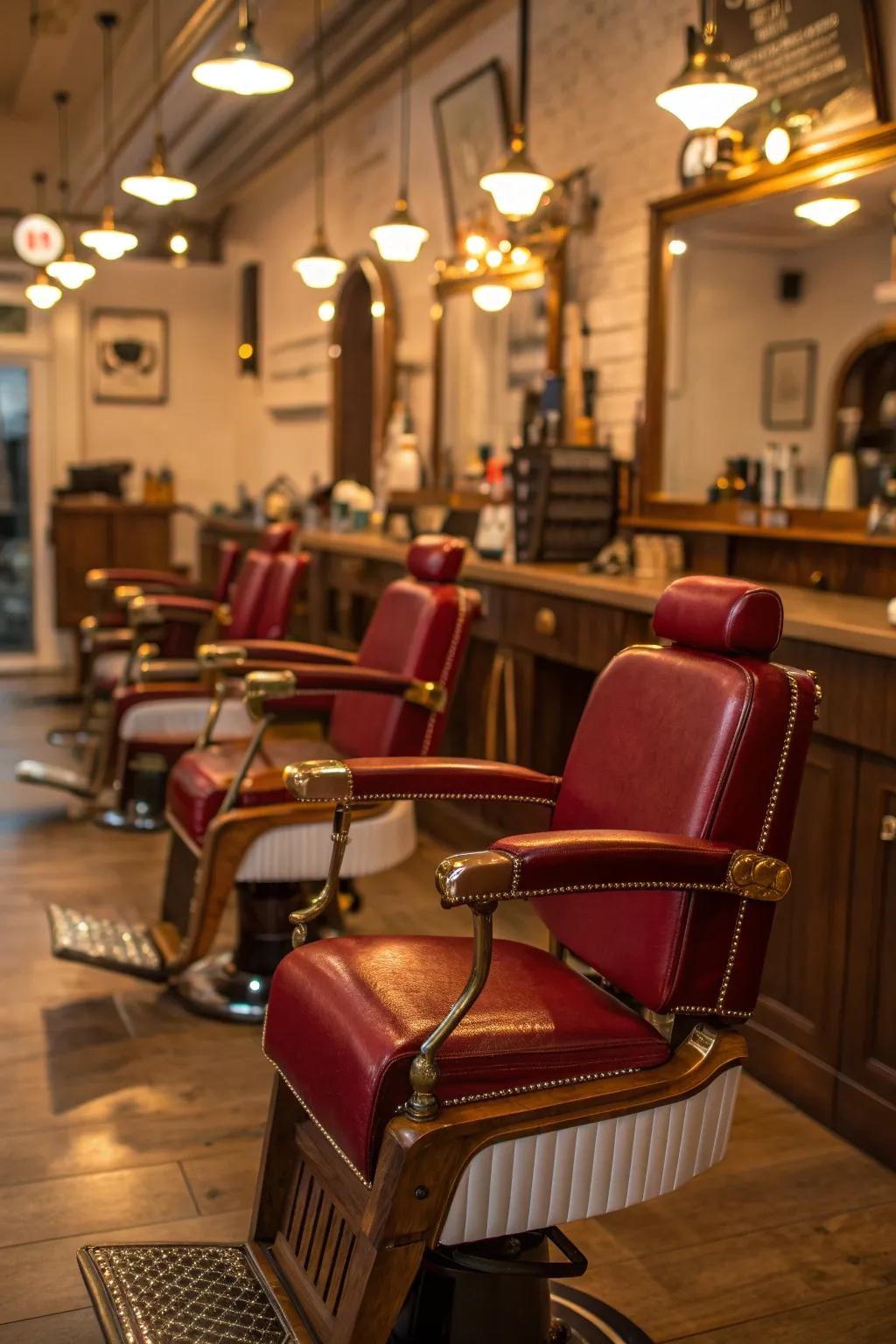
The seasonal checklist
Getting a chair, season by season
- Spring: Book ahead of prom, graduation, and wedding weekends in your circle. Pass: your appointment exists before the event week arrives.
- Summer: Expect the worst Saturday queues of the year and heat-driven walk-ins all week. Pass: you either hold an appointment or arrive at opening on a weekday.
- Back-to-school weeks: Treat late summer like a holiday rush for kids cuts. Pass: family appointments are booked two weeks out, not the weekend before school.
- Fall: Use the mid-fall lull. Pass: you set a standing rhythm now, when booking is easy, and carry it into the holidays.
- Thanksgiving and Christmas weeks: Assume appointment books fill first and walk-in waits double. Pass: your holiday cut is booked by early November.
- Winter lull: January and February are the easiest walk-in months. Pass: this is when to try a new shop or a new style without queue pressure.
Walk-in strategy, when you do walk in
Arrive at opening rather than at the peak, since the queue forms early and a chair taken at nine beats a place in line at eleven. Have your cut decided and tell the counter everything you want done, including a beard trim, because adding services at the chair restarts the timing math for everyone behind you. Stay reachable and nearby; a skipped name usually goes to the back fairly, and shops remember who made them hunt. And if the wait is honestly quoted as long, take it at face value and plan around it rather than hoping the estimate was pessimistic. It rarely is.
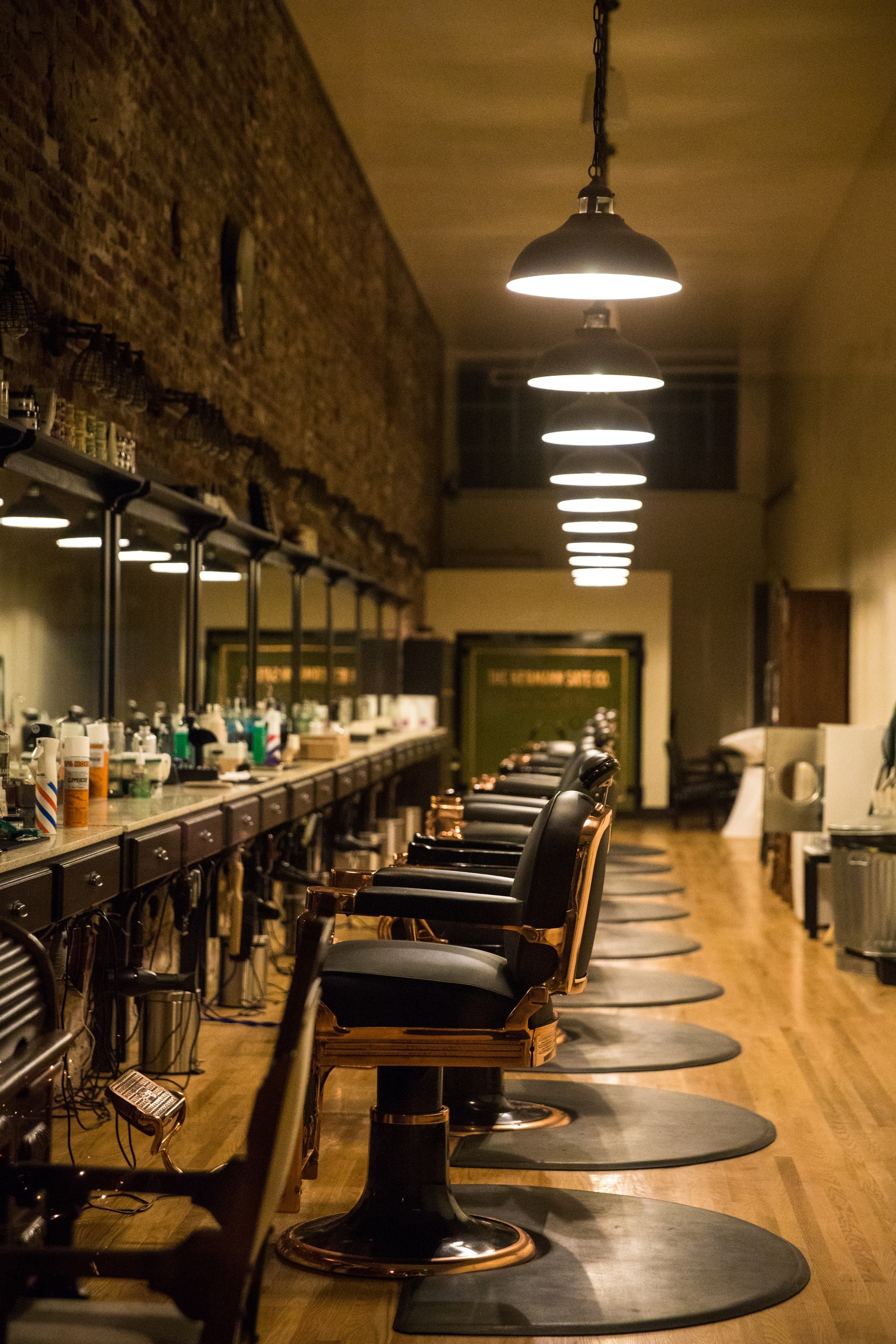
When an appointment is simply the right tool
Book ahead when the cut matters on a deadline, a wedding, an interview, photos, the first day of school, when you need a specific barber, when you are bringing kids whose patience sets a hard limit, or when your own schedule has a hard stop after the cut. Walk in when the timing is flexible, the cut is a maintenance version of what you already wear, and a wait costs you nothing but a coffee. Neither choice is the smart one in general. Each is smart for a situation, and the seasons above tell you which situation you are in.
A word for the no-show problem, because it shapes the queue for everyone. An appointment that goes unfilled without a call is a chair standing empty in a room full of waiting people, and it is the main reason shops protect their books with confirmation texts and tighter policies. If you book and cannot make it, a quick call returns that slot to the walk-in line and keeps your name in good standing for the next booking. The queue runs on small courtesies like that more than on any system a shop could buy, and regulars who practice them are the ones staff work hardest to fit in.
Common questions
Why is Saturday morning always the longest wait?
It is the one block when nearly everyone is off work and school at once, and booked chairs plus walk-ins peak together. Weekday mid-mornings are the quietest alternative.
Is walking in rude when appointments exist?
Not at all. Shops run walk-in chairs deliberately and fill gaps with walk-in customers. Just give the full list of services at the counter so the timing is honest.
When should I always book instead of walking in?
Before deadlines and events, for a specific barber, with young kids, or whenever you have a hard stop afterward. Those are the waits you cannot afford to gamble on.
Photos in this guide are representative stock images.
← All guides from Headquarters Barbershop← Back to Headquarters Barbershop