Razor bumps follow a simple mechanism and a frustrating pattern. The mechanism: a hair cut too short and too sharp curls back into the skin as it grows, and the skin reacts. The pattern: the men who suffer most are the ones chasing the closest possible shave, so the fix is rarely a new product. It is a decision about method, made once, based on your skin and your hair.
This decision guide from Headquarters Barbershop in Shelby lays out the real options side by side. Match your situation to a method, keep the supporting habits that apply to every method, and give the change several weeks before judging it, because skin that has been irritated for months does not reset in a weekend.
Choosing your method
| Your situation | Best method | Why it works | The trade-off |
|---|---|---|---|
| Occasional bumps after close shaves | With-the-grain shaving, single blade | Cutting at the surface in the growth direction stops most tips curling back in | A fraction less close than an against-the-grain finish |
| Frequent bumps, curly or coarse beard | Trimmer stubble, no skin shave | Hair kept above the skin line cannot re-enter it; this is the most reliable fix there is | You wear short stubble instead of a clean shave |
| Bumps only on the neck | Hybrid: shave cheeks, trimmer on the neck | The neck's swirled, flat-lying growth is the problem zone; treating it separately solves most cases | Two tools and a visible but tidy difference in finish |
| Sensitive skin, bumps plus redness | Electric shaver, dry or with a light pre-shave | No blade drag and no below-skin cutting, so both bumps and irritation drop | The least close result of all, and some men dislike the feel |
| Beard wearer with bumps at the edges | Clipper line-ups instead of razor edges | Clean lines without cutting the edge hairs below the surface | Edges are crisp for a slightly shorter time than razor lines |
The habits that help every method
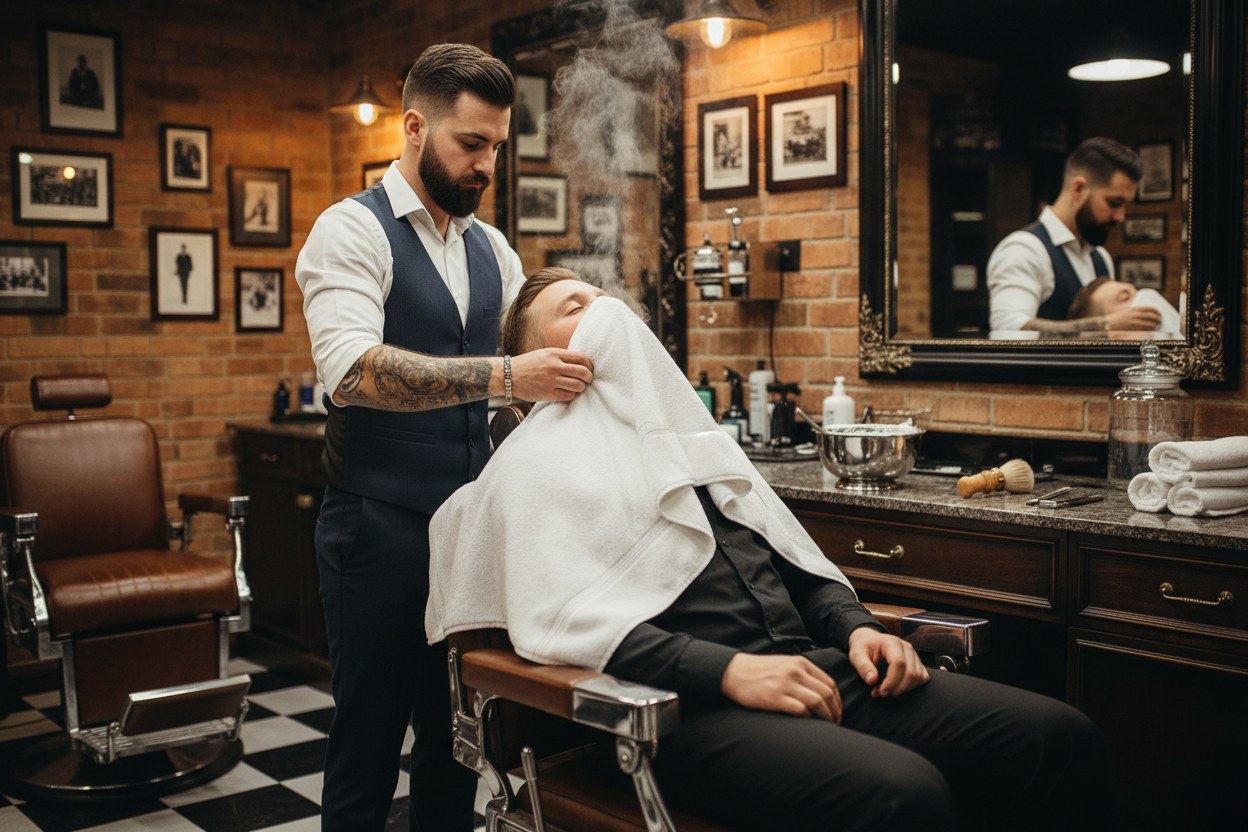
Whichever row fits you, four habits support it. Prepare the hair properly: shave after a warm shower or with a hot towel, because softened hair cuts cleanly with less force and less tugging. Keep the tool in good shape, since a dull blade drags hair before cutting it and leaves exactly the ragged, below-skin tips that cause trouble. Exfoliate gently a few times a week between shaves to keep emerging hairs from getting trapped under dead skin. And stop picking at existing bumps. Squeezing them deepens inflammation and is the main route to dark marks and scars.
Know your growth map
Every method above depends on knowing which way your hair grows, and the neck is where assumptions fail. Let growth come in for two days and feel each zone with a fingertip in good light, noting the swirls below the jaw and at the throat. Men are routinely surprised to find their neck hair grows upward or sideways in patches. Shaving a standard downward pass over upward-growing hair is an against-the-grain shave in disguise, and it explains a lot of mystery neck bumps in Shelby and everywhere else.
What the barber can do differently
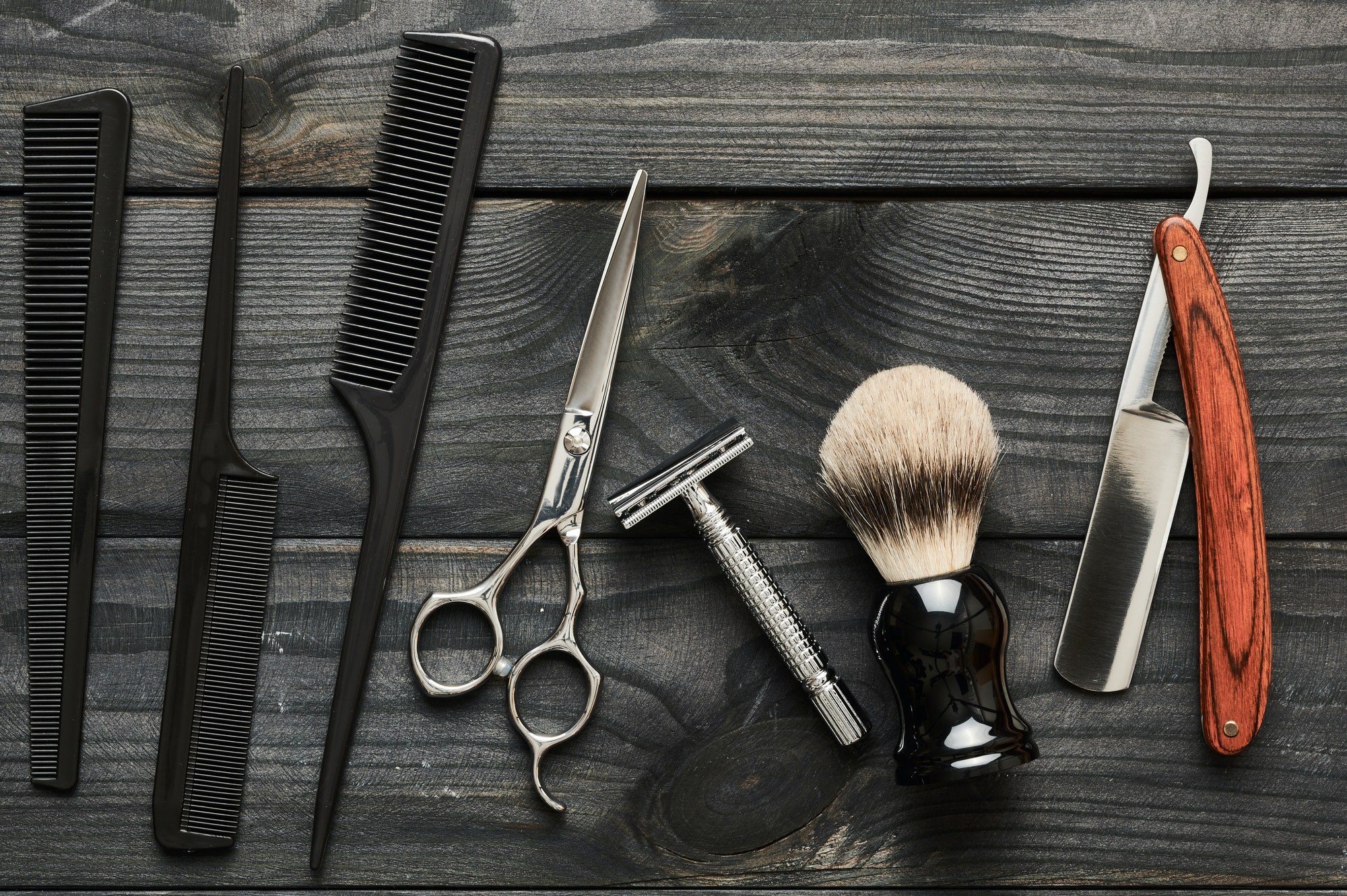
Say you are bump-prone before the service starts, not after. The barber can then build the appointment around it: a proper hot towel preparation, a single with-the-grain pass, no against-the-grain finishing, lighter pressure throughout, and clipper or electric finishing on the neckline instead of a razor. A professional shave done this way often shows men what their skin can actually tolerate, which is useful information for the home routine too.
When to escalate beyond technique
If bumps keep forming after four to six weeks of the matched method and the supporting habits, or if they turn into painful, spreading, or scarring spots, that is a dermatologist's territory. Technique solves technique problems. Persistent inflammation despite correct technique is a medical problem, and it responds to treatment far better early than after a year of home experiments.
Whichever method you pick, write the decision down in a sense: same method, same direction, same preparation, for the full trial period. The most common reason good advice fails is not that it was wrong but that it was mixed with old habits on alternate days, so the skin never got a consistent run at healing. Consistency is boring, and in this case boring is the entire mechanism. A month of one method teaches you more than a year of rotating through five.
Common questions
What is the most reliable way to stop razor bumps?
For frequent bumps, keeping the beard at trimmer length instead of shaving to skin. Hair that stays above the surface cannot curl back into it.
Should I switch to a single-blade razor?
If your bumps are occasional, yes, paired with shaving in the direction of growth. Single blades cut at the surface, while multi-blade cartridges can cut slightly below it.
Why do bumps only appear on my neck?
Neck hair grows in swirls and lies flat, so a routine downward pass often shaves it against the grain without you realizing. Mapping your growth usually reveals the cause.
Photos in this guide are representative stock images.
← All guides from Headquarters Barbershop← Back to Headquarters Barbershop