Plenty of men growing their hair out have never actually had a long-hair maintenance cut, and many assume growing hair means skipping the barber entirely. That assumption is how long hair ends up thin at the ends, wide at the sides, and cut off in frustration just before it reaches the length they wanted. Long hair needs trims. Fewer, different trims, but trims.
This first-timer's walkthrough from Headquarters Barbershop in Shelby covers what actually happens at a maintenance appointment, step by step, what split ends do if they are left, and how to tie hair back without quietly damaging it in the process.
Why long hair needs cutting at all
Hair is oldest at the ends, and ends wear out. They split, fray, and thin, and a split left alone travels up the strand over time, so the damage literally grows longer. A maintenance trim removes the worn fraction of an inch while keeping nearly all the length, so the hair gets thicker-looking and healthier at the bottom instead of stringier. Skipping trims for a year does not buy you more usable length. It buys you a bigger eventual cut, because the barber has to chase the damage further up.
The appointment, step by step
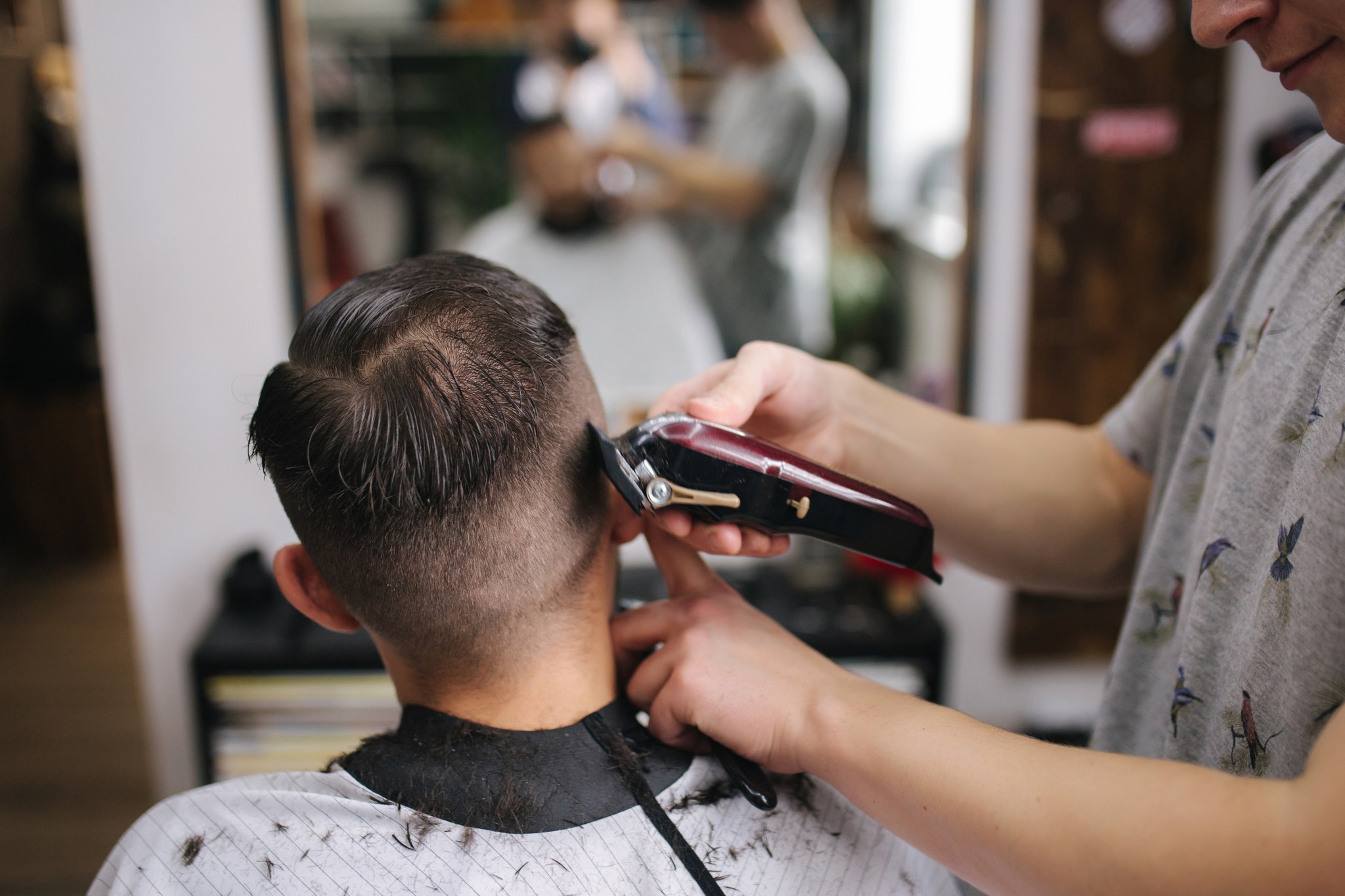
- The consultation, with honest length talk. You state the length you are growing toward and what you will sacrifice today. A good barber names the amount the ends actually need, often a quarter to half an inch, before any cutting.
- The wash and condition. Long hair is usually washed at the appointment so it hangs true and tangles come out gently. Cutting long hair dry and tangled produces an uneven result once it is washed at home.
- The ends come off first. The barber sections the hair and trims the ends in a line that matches how you wear it, checking that the bottom edge looks full rather than see-through.
- Shape gets restored. Weight that has built up at the sides or a heavy block at the back gets thinned or layered lightly, so the hair moves instead of hanging in one solid sheet.
- The edges get cleaned. Sideburns, around the ears, and the neckline are tidied with clippers or trimmers, which is what makes long hair look kept rather than merely grown.
- The care plan. You leave with a trim interval, usually every 8 to 12 weeks for growing hair, plus product and washing advice matched to your hair's thickness.
Tying it back without wrecking it
The daily ponytail or bun is where a lot of long hair quietly breaks. Elastic bands with metal clasps snag and snap strands, the same tight style in the same spot every day stresses the same hairs until they break along the hairline, and tying hair up while it is wet stretches it at its weakest. Use soft fabric ties without metal, vary the position, keep it looser than feels secure at first, and let hair dry down when you can. Pulling it back for work or the gym is fine. Living in one tight knot for a Shelby summer is what causes the damage.
Between appointments
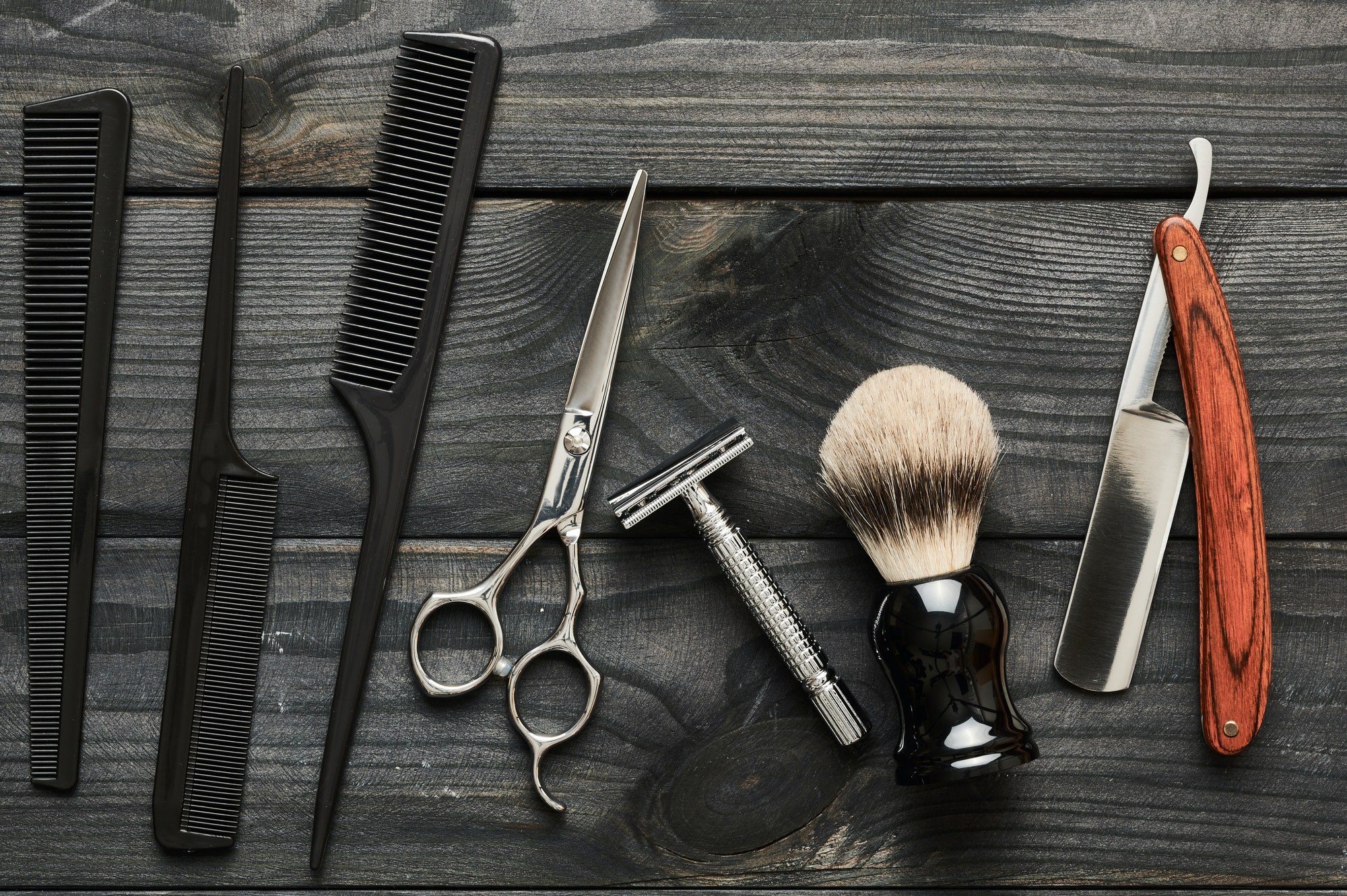
Wash long hair a few times a week rather than daily when you can, condition the ends every wash, and detangle gently from the ends upward with a wide comb instead of ripping a brush through from the top. Watch the ends in good light once a month: if they feel rough, tangle instantly, or look lighter and thinner than the hair above them, the trim is due even if the calendar says otherwise. Split ends do not heal, and no product seals them permanently, whatever the bottle claims. Cutting them is the whole cure.
Expect the first maintenance visit to feel strange if you have been growing your hair for months without one. Losing even a quarter inch can feel like a setback on the day, and then the hair behaves better for weeks: it tangles less, the ends look like a line instead of a fray, and the length you kept reads as longer because it looks fuller. Most men who make it to genuinely long hair say the same thing afterward, that the trims they resisted were the reason they got there.
Common questions
How often does long hair need a trim?
Every 8 to 12 weeks while growing it out. That removes split, worn ends before the damage travels upward, while keeping nearly all of your length.
Will a trim slow down my growth?
No. Hair grows from the scalp, not the ends. Trimming only removes damage, so the length you keep is healthier and fuller instead of thinning out at the bottom.
What is the safest way to tie long hair back?
A soft fabric tie with no metal clasp, placed loosely and in varying spots. Avoid tying wet hair tightly and avoid the same tight style in the same place every day.
Photos in this guide are representative stock images.
← All guides from Headquarters Barbershop← Back to Headquarters Barbershop