A straight line on a haircut looks effortless, which is exactly why people underestimate it. That clean edge at the neckline is the product of sharp tools, disinfected tools, a steady sequence of checks, and light you can actually see in. When any of those slip, the line slips, and the costs of sloppy tool care in a barber shop go well beyond a crooked edge.
At Headquarters Barbershop in Shelby, line-ups and cleanups are named services, and the sanitation behind them is part of the craft. This piece explains how a barber actually produces a straight line, what clean tools look like from the customer's side of the chair, and what quietly goes wrong when maintenance is skipped.
How a straight line gets made
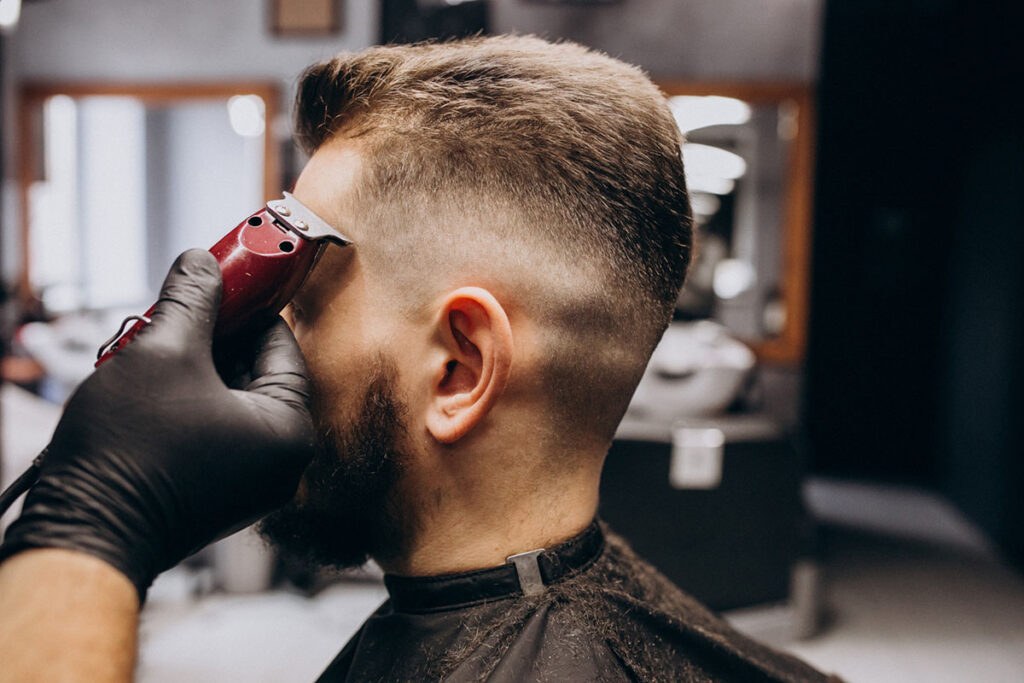
It starts with the guide. A barber establishes the line at one point, usually at a natural reference like the corner of the jaw or the top of the ear, then works in short sections, checking against the mirror and against the other side. Clippers cut the bulk, trimmers refine the edge, and a razor may finish it, with the skin held taut so the blade meets a flat surface. The head gets turned, the mirror gets used from more than one angle, and the barber steps back, because symmetry errors hide at working distance and show at conversational distance.
Lighting and posture do quiet work here too. A client slouched or turned makes every line a guess, which is why a barber will ask you to sit up and face forward at the detail stage. It is not ceremony. It is measurement.
The numbers behind clean tools
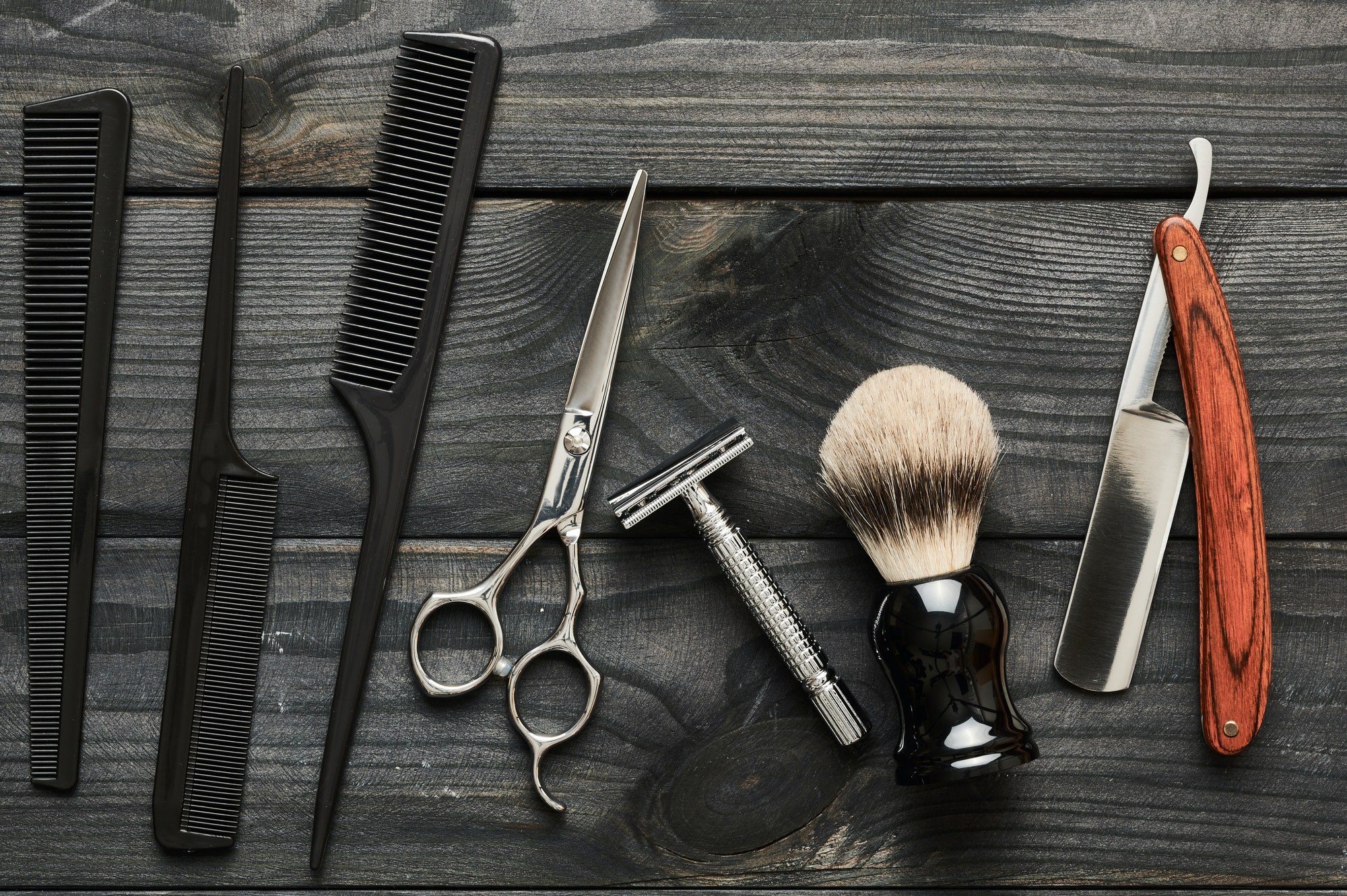
Exact products vary by shop, but the structure of the practice does not: tools that touch skin get cleaned and disinfected between clients, disposable items are used once, towels are laundered for each use, and surfaces get wiped down through the day. Barbering is licensed work in North Carolina, and sanitation is a large part of what that licensing examines.
What clean looks like from the chair
You can read a shop's habits without inspecting anything. Look for tools resting in clear disinfectant solution rather than lying dry in a drawer, a fresh blade being fitted in front of you for razor work, a clean cape and a fresh neck strip at your turn, and a barber who washes or sanitizes hands between clients. A slight smell of disinfectant near the station is a good sign, not a bad one. None of this requires asking awkward questions. It is all visible from the chair in the first minute.
The cost of neglect, in the shop and at home
Skipped maintenance compounds quietly. Dull clipper blades drag and snag instead of cutting, so lines need more passes, skin gets irritated, and the blend turns uneven. Dirty tools can carry skin infections from one client to the next, which is why the disinfectant jar is not decoration. A neglected neckline at home follows the same pattern: one stray-hair trim with a dull trimmer becomes an uneven line, which gets corrected a little higher, and within two home sessions the neckline sits where nobody intended. That rescue is fixable in the chair, but it takes a grow-out cycle to restore the original line.
The small-problem version of this is worth respecting. A single nick from a dull blade, a rash after a shave with a reused blade, a line that creeps: each is minor alone and instructive together. They are the early warnings of a setup that needs attention, in a shop or in your bathroom cabinet alike.
Common questions
How can I tell if a barber shop keeps tools clean?
Look for tools soaking in disinfectant solution, a fresh blade fitted in front of you, a clean cape and neck strip, and hand washing between clients. It is all visible from the chair.
Why does a barber keep checking my neckline in the mirror?
Because symmetry errors hide at close range. Checking at working distance and then stepped back, from more than one angle, is how a line ends up actually straight.
Can I maintain my neckline at home between cuts?
Carefully, and only below the existing line, removing stray hairs without moving the line itself. Raising or reshaping the line at home usually ends with a barber growing it back out.
Photos in this guide are representative stock images.
← All guides from Headquarters Barbershop← Back to Headquarters Barbershop